Clear quartz is generally safe for everyday water immersion due to its stable chemical composition, and it typically won't significantly alter water quality when basic precautions are followed. While minimal mineral leaching may occur over years under extreme conditions like high acidity or heat, the crystal usually maintains its integrity during short-term use. Regular upkeep and proper selection can help mitigate risks like surface buildup.
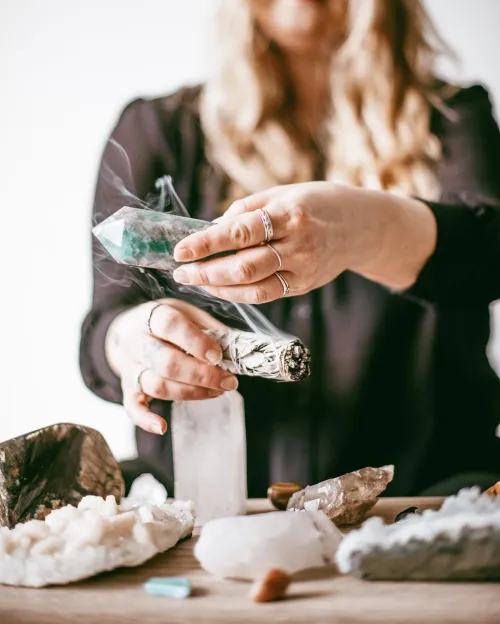
Have you ever held a clear quartz crystal near your water bottle and felt that pull—a mix of curiosity and intuition, as if its sparkle was whispering, "Try me in here"? Well, maybe not that dramatic, but at some point, the idea surfaces: is this water infusion habit really okay? It happens so naturally, especially when sipping away after a long day, and we barely give it a second thought. We get drawn in by the crystal's clarity, feeling a small connection that nudges us to explore. Trust that gentle call—it's like the universe's way of urging you to trust yourself, but always pair it with a healthy dose of real-world sense. After all, you want your water ritual to feel as light and effortless as the morning sun hitting a dewdrop.
Mapping Your Crystal Journey
Safety Overview for Quartz Water Solutions
If you're reading this, it's probably because you're debating whether to drop that lovely quartz pebble into your daily hydration setup, right? You might have that inner voice asking, "Is this stuff harmless, or am I risking something?" It's like when you see a glass container on a shelf—enticing but making you pause to weigh trust against uncertainty. The thing is, for basic everyday scenarios, clear quartz often holds its own without big alarms. Anyway, most folks just want to sip their infused water worry-free, knowing it's backing their wellness without hidden catches.
As silicon dioxide forms the core of this material, it tends to resist breaking down when mingling with water. Over typical short immersions, say a few hours or days, its crystalline solidity remains unshaken, potentially giving you peace of mind. Overall, this inherent stability makes it a more reliable choice than many porous stones, meaning less concern about unintended changes in your glass.
Factors Affecting Crystal Stability in Water
Now, picture this: you've got your quartz sitting in water all day at work, but then you take it camping where temps swing wildly—suddenly, that crystal doesn't seem so invincible. This is the kind of everyday moment that can stir doubts, where life's variables creep in. You're not overthinking; you're just being mindful of how something as natural as acidity in your lemon water or that hot summer day could tip the scales. It's like noticing a shift in the sky before rain—you sense subtleties but don't know what they might mean.
Extended water exposure can lead to minute levels of mineral shedding, especially if conditions like temperature fluctuations or acidic environments come into play. Surface details and imperfections may contribute to tinier particle releases, amplifying effects over months or longer. So, while quartz often stays robust under normal circumstances, handling with care for environmental shifts becomes key to keeping it aligned with your expectations.
Practical Approaches to Safe Crystal Use
Okay, let's say you've tried it once—filled your bottle, slipped the crystal in, and now you're wondering: "How do I make this routine a breeze without constant fuss?" It's that practical itch every user faces at some point, like tending a houseplant to keep it thriving. You notice little surface changes or tiny residues, and your intuitive mind kicks in, guiding decisions that make the habit feel effortless and integrated into your quiet moments.
Light maintenance habits, such as gentle wiping after each soak, can go a long way in keeping crystal surfaces clean and buildup in check. By checking the crystal's origin and processing, you might enhance consistency, ensuring your aquatic adventures stay smooth without disrupting the quartz's core harmony.
Simple Cleaning Steps
A straightforward wipe-down with a soft cloth after each water session helps preserve surface quality—think of it as polishing your favorite necklace to keep its shine. Avoid harsh chemicals; stick to water or mild soaps to maintain integrity without overcomplicating things.
Choosing the Right Specimen
Opt for pieces without fractures or rough edges, as they generally offer steadier performance in water. When selecting, trust your gut instinct—if it feels right, like the time you randomly picked that perfect coffee mug, it probably fits better with your lifestyle.
Observations from Regular Water Applications
If you're anything like me, after weeks of using the same quartz piece in your daily water jug, you start spotting slight shifts—maybe a dull spot here and there, like how kitchen utensils wear over time. These small observations arise naturally; they're not huge red flags but quiet nudges to reassess. You recall how other rocks have fizzled out faster, and now you value quartz's resilience as part of your own story.
With frequent infusions, minerals from water sources can build up in visible layers, gradually altering light refraction on facets. That might leave the crystal looking less pristine, even if its inner structure shifts slowly through years of consistent use. Still, in standard settings, any taste changes tend to stay negligible, so your sips remain as familiar as ever.
Visual Indicators and Quality Verification
Here's a common scenario: after adding quartz to your bottle, you glance inside and spot cloudiness—your instincts scream, "Is that normal?" It mirrors how we inspect fruit for bruises or skim coffee grounds; it's human to seek clarity where we find murkiness. This immediate visual check becomes your personal tool, helping you navigate choices without panicking or relying on external advice.
Cloudiness may serve as a fast alert for potential interactions, hinting at microscopic dispersion in the water. For reliable evaluation, use high-purity specimens that maintain transparency well—they can offer clearer signals than flawed or untreated alternatives.
Monitoring Signs
- Cloudy water suggests unintended material blending—test by removing the quartz to check if it clears.
- Surface deposits form slower on polished items than rough rocks, allowing you to adjust maintenance frequency.
- Light changes in the crystal's glow might indicate buildup; regular cleaning helps restore its natural spark.
A Quiet Call to Your Inner Wisdom
In all this, it can feel as if the universe is softly reaffirming your choices—maybe through that initial pull to quartz or how a problem eased after trusting your gut. Lean into those quiet whispers; they remind you that growth flows like water, adapting and finding new paths. Embrace each subtle shift, for change is a sign of strength, not doubt. Let this practice anchor your courage as you navigate beginnings, knowing your intuition often whispers truths the world hasn't caught up to yet.
Clarifying Key Questions and Misconceptions
Q: Can quartz leach heavy metals or other toxins into water?
A: Clear quartz typically has low interaction with water due to its stable structure, so harmful leaching is rare in typical usage; any minimal release usually results from impurities in the crystal or extreme water conditions.
Q: Will cracks or inclusions in quartz make water unsafe?
A: Small fractures might increase microscopic particle releases over time, potentially affecting clarity, so opt for smoother specimens to minimize risks—it's like choosing intact cookware for better reliability.
Q: Does quartz water require special storage or temperature control?
A> Normal environments suit quartz well, but extremes can impact its performance; store it similarly to room-temperature beverages to maintain stability without overcomplicating routines.

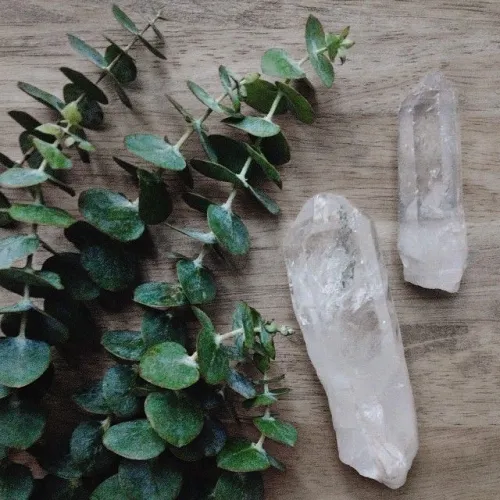

![White Crystal: Ultimate Guide to Benefits, Uses & Real vs Fake [2025]](https://www.clearquartzblog.com/cdn/shop/t/151/images/empty_bag.png?v=8.7428)
