Clear quartz doesn't bring luck through magical means, but its presence can serve as a psychological focal point that amplifies personal intention and mindful awareness. While scientific evidence doesn't support supernatural properties, the crystal's physical durability and light-refracting qualities create tangible objects for meditation that may shift perspective. Many users report increased clarity when engaging with quartz during decision-making moments.
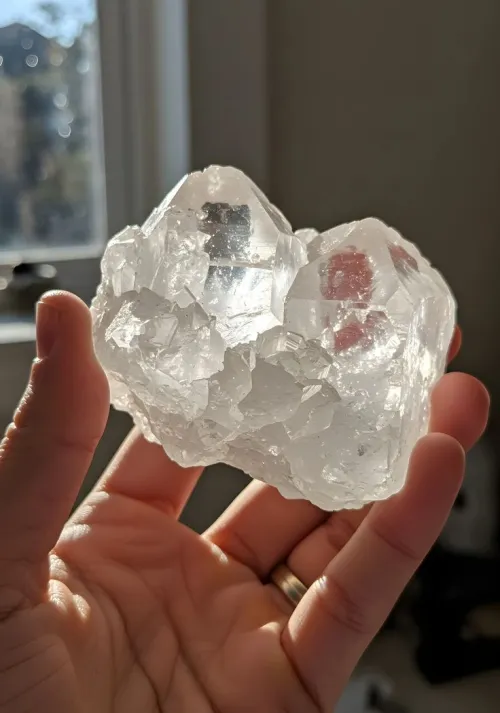
Ever found yourself nervously rubbing a smooth stone during a tough conversation? Or maybe you paused at a jewelry store, inexplicably drawn to that sparkling pendant in the display. Something about its transparent depth feels… reassuring. We naturally seek anchors when navigating uncertainty—whether preparing for a job interview or waiting for medical results. Clear quartz often becomes that physical placeholder for our hopes. While the universe might not drop winning lottery tickets in response to crystal gazing, I’ve seen countless people carry quartz like an emotional compass. One client describes keeping a palm-sized cluster on her desk when reviewing contracts—not because it magically improves terms, but because pausing to run her fingers along its cool planes creates space to notice gut instincts. Well, perhaps it’s less about attracting luck and more about recognizing opportunities we’d otherwise miss in daily rush.
Where Our Exploration Takes Us
The Truth About Luck and Clear Quartz
When stuck in traffic racing toward a crucial appointment, who hasn't wished for a lucky break? That’s when many grasp for the quartz tucked in their pocket. But here’s the nuance—research shows amplified intentionality often precedes what we later call "luck." The crystal’s molecular structure of meticulously arranged silicon dioxide creates a natural prism, scattering light patterns that can gently redirect wandering thoughts. Rather than bending reality, it may enhance mental focus during chance-rich moments. One colleague recounts missing her train but noticing a networking contact on the next platform—while twisting her quartz ring. Coincidence? Absolutely. Yet the tactile ritual prevented her from scrolling angrily through emails, letting her spot the opportunity.
Beyond sparkly illusions, the crystal’s structural symmetry mirrors our search for patterns. Its lattice-like form grounds abstract hopes into something tangible—a stone that weighs the same whether you're anxious or calm. This constancy can soothe nerves during dicey situations, making you more receptive when serendipity knocks. Emotional connections also vary widely; one person’s comfort object might be another’s paperweight. When quartz becomes an intentional compass rather than wish granter, unexpected doors often appear.
How Clear Quartz Functions in Energy Beliefs
You’ve likely heard enthusiasts describe quartz as an "energy amplifier." Sounds mystical—but step into any studio where artists keep quartz near their easels. They’ll describe its presence like tuning a radio static into clearer reception. Scientifically explained, its crystalline structure vibrates at steady frequencies—like how cathedral bells resonate hours after being struck. Neurologically, these predictable patterns provide white noise against mental clutter.
It operates as a neutral focusing medium. Unlike substances with volatile chemical compositions, quartz remains structurally stable across environments. A meditation teacher frames it as nature’s paperweight—holding down fluttering thoughts. When paired with symbolic intention, such as writing goals near displayed quartz, the ritual triggers neuro-associations that some experience as heightened motivation. Light behaves fascinatingly too; watch how morning rays splinter through its facets differently than afternoon glow, creating ever-shifting visual metaphors for how perspective colors interpretation.
Practical Ways to Incorporate It Daily
Wondering how to move beyond theory? Consider Sarah, who wedged a small quartz point into her car’s cup holder during exhausting commutes. “Instead of road rage,” she laughs, “I’d touch it at red lights and breathe. That split-second pause helped me arrive calmer.” Whether facing tough calls or creative blocks, small integrations yield more impact than elaborate altars.
With quartz’s environmental adaptability, it harmonizes with minimalist or maximalist spaces equally well. A chef known for fiery kitchen temperaments keeps a cluster near her cookbook stand; fingering its points while waiting for oil to heat provides micro-moments of reset. Another friend stitched a tiny pouch into his work backpack’s strap—invisible access during high-stakes meetings.
For physical interaction like jewelry or touchstones:
- Secure settings matter - Opt for bezel-set pendants versus prongs if mobile
- Cleaning ritual becomes reflection ritual - Wiping oils from surfaces with soft cloths doubles as mental reset
- Tactile over visual - Keep one piece with textured edges rather than display-only options
Creating meaningful placement:
- Threshold guardians - Entryway bowls catch keys and racing thoughts
- Decision junctions - Place near phones or laptops where choices surface
- Light explorers - Position where shifting sunbeams reveal new depths hourly
Real Experiences with Everyday Use
Meet Javier, ER nurse for twenty years. In break rooms saturated with beeping anxiety, his colleagues noticed him fidgeting with something in his scrub pocket. “Quartz points fit surgical glove compartments,” he grins. The habit began during pandemic waves—his version of prayer beads. No miracles occurred; just incremental moments reclaiming inner quiet while machines screamed. Over time, others asked where he got those smooth white stones.
This mirrors widespread reports: individuals rarely attribute external luck to quartz, instead describing enhanced mindfulness during intention-setting practices. That clarity alters decisions—like passing on suspicious investments despite pressure. Notes of accumulated hand oils become invisible journals; the shine where someone clutches it during nightly worries bears witness. One designer shared how sketching ideas nearby reduces her urge to immediately delete “imperfect” drafts—the stone’s natural inclusions remind her beauty exists in flaws.
As the curiosity grows about quartz, it becomes useful to tell the natural from the manufactured. You don’t need gemology certificates—start with simple checks.
A seasoned rockhound taught me: breathe warmth onto potential purchases like fogging a mirror. Higher-quality clarity levels cause condensation to vanish faster due to density. Flaws actually indicate authenticity—natural veils formed over millennia. However, jagged cracks weakening points suggest impact damage. When considering economic value, heirloom sellers sometimes inflate prices dramatically despite tiny chips—remember, flawless glass replicas prove nothing.
Durability Insights Beyond Sparkle
Structural durability depends largely on how the quartz formed underground. Cloudy sections with web-like fractures? Handle gently—earth made this specimen porous. Conversely, cathedral-quartz stalwart pieces withstand frequent handling. Sunlight lovers rejoice: decades may cause minimal surface fading, but quartz won’t dissolve like softer crystals. Its silicon-dioxide backbone makes it kitchen-safe unless subjected to sudden temperature shocks.
When the Universe Whispers Back
Some mornings, you might find quartz catching light in ways you’ve never noticed—a tiny rainbow glinting where yesterday only clear planes existed. Don’t dismiss these as random tricks of optics. What if, in those instants, life’s hidden patterns briefly surface? Those flashes mimic insight’s arrival—sudden, illuminating, vanishing if forced. Your intuition recognizes crossroads before logic names them; that shiver noticing a stranger who later becomes pivotal. Unlike mystical guarantees, this speaks to courage: welcoming uncertainty as fertile ground. Every meaningful leap began as trembling hope. Carry that stone not to bend fate, but to steady your hand when reaching for doorknobs veiled in shadow.
Historical Insights on Crystal Meanings
Long before Instagram influencers clutched rose quartz, ancient Greeks believed clear quartz was eternal ice gifted by mountain gods. Tibetan healers placed it on foreheads not for mystical reasons, but as physical triggers for meditative stillness. When you hold quartz today, you touch human history.
Across cultures, a shared thread emerges: symbolic purification. Aztec priests scried through crystal balls seeking "smoke-free" visions. Renaissance physicians crushed it into elixirs hoping its perceived perfection would cleanse impurities—a literal placebo with potent psychological impact. Its name—derived from Greek 'krystallos'—meant both 'coldness' and 'transparent truth'. Such dualities persist: we seek clarity while desiring comfort. Modern spiritualists inherit reinterpreted traditions without empirical claims—recognizing the mind’s power when anchored in beauty. When quartz appears in archaeological digs, it’s rarely alongside gold but often beside humble tools—suggesting ancient pragmatism about symbolic objects as mental allies during hardship.

![White Crystal: Ultimate Guide to Benefits, Uses & Real vs Fake [2025]](https://www.clearquartzblog.com/cdn/shop/t/151/images/empty_bag.png?v=8.7428)
