Clear quartz enhances holiday decor by amplifying surrounding crystal energies and improving visual contrast while its durable structure withstands seasonal handling; strategically layer it with colored stones near light sources and ensure proper off-season storage to maintain its natural brilliance year after year.
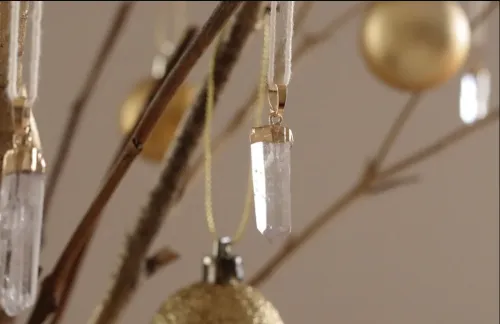
Ever stood before a display of crystals, drawn almost magnetically to the cool sparkle of clear quartz? That inner tug—like recognizing an old friend. You instinctively know it should anchor your holiday arrangement. Yet, arranging them feels... trickier than expected. A cascade of questions might flood in mid-shopping: Will ruby zoisite clash with my green velvet ribbons? Can snowflake obsidian handle being draped over the garland? We're not simply placing pretty rocks. This dance with crystals feels layered, as though we're translating whispered wisdom into tangible beauty. Sometimes our instincts get tangled in "shoulds"—overthinking what pairs 'correctly' rather than noticing that quiet pull towards a particular moss agate’s rich green, or the way afternoon light hits amethyst beside the window. Trusting that nudge? That's where the magic begins.
Key Areas We'll Navigate
Core Holiday Pairing Techniques
Building a harmonious crystal centerpiece starts by considering both aesthetic flow and how stones interact energetically. That overwhelming feeling when you empty your crystal pouch onto the dining table? Almost like orchestra instruments waiting for arrangement. Where do we even begin?
The hexagonal crystal structure of clear quartz isn't just geology—it scatters candlelight or fairy lights in distinctive diffraction patterns that transform near amethyst or citrine. For instance, nestling rose quartz beside it on a mantlepiece can feel unexpectedly tender—the quartz seems to deepen the rose stone’s gentle glow. Placement matters; quartz serves as both director and supporting actor. Consider these foundations:
Structural Composition Matters
Layering arrangements involves stacking heights wisely. Place large opaque stones like black tourmaline at the base for stability before adding mid-size pieces like aventurine—creating visual anchors before floating smaller quartz points upwards. Quartz tends to enhance the visual heft of stones beneath it without overpowering. Imagine building a snow fortress: wider base, tapering crystals pointing skyward between pinecones and berries.
Intuitive Placement Over Rules
Rather than memorizing crystal correspondences, walk around your space holding small clusters. Where does the light catch quartz near your cinnamon-scented pinecones? Which corners feel energetically 'stuck' needing carnelian's vibrancy? Let placement be sensory. Remember: metallic accents—copper wire, pewter leaves—naturally complement quartz's clarity while grounding the overall arrangement through weight and shine.
Amplification Properties of Clear Quartz
People speak of quartz as 'energetic sunlight' for good reason. Ever notice how garnet seems extra vivid when seated beside it? That’s quartz operating at its core purpose: magnifier. Think of it less like a spotlight and more like a sensitive microphone boosting surrounding energies—both visual and subtle.
This amplification isn't just metaphorical; quartz possesses exceptional hardness on the Mohs scale, allowing it to physically withstand surrounding objects without scratching or clouding easily—whether nestled beside delicate glass ornaments or sturdy bronze reindeer figurines. Combining quartz with soft holiday lights often creates unexpected drama; its transparent nature enhances perceived contrast dramatically when surrounding gems possess depth—say, lapis lazuli’s royal blue or snowflake obsidian’s white flecks.
Color and Energy Balancing Methods
Creating holiday vignettes with crystals means working with color psychology and seasonal vibes. That pressure to match 'traditional colors' can stifle intuition—yet ignoring garnet’s rich red beside quartz can feel visually jarring near muted natural ornaments. The key? Balance isn't rigid color-matching but flow.
Frosted quartz finishes diffuse warm LED strings differently than polished surfaces—casting hazy lunar halos instead of sharp stars. Use this purposefully: try rough quartz near evergreen boughs for textured calm, but pair polished spheres with cranberry strands for jewel-like intensity. Notice which combinations slow your breathing versus energize: deep green malachite and quartz at your threshold might greet guests with grounded reassurance, while a citrine and quartz window arrangement beams solar optimism street-side.
Seasonal Palettes Beyond Red & Green
- Winter Twilight: Blue lace agate + moonstone + clear quartz—suggesting frozen skies.
- Hearth Glow: Carnelian + amber chips + quartz—evoking firelight.
- Midnight Reverie: Labradorite + smoky quartz points—hinting at celestial mystery.
The goal isn't forcing symbolic meanings but noticing resonances. That intuitive pull toward blue apatite instead of classic ruby? Perhaps the season is inviting calm this year over festivity.
Durability Considerations for Seasonal Displays
Imagine setting an elaborate centerpiece only to see it wobble dangerously when someone bumps the table. Physical stability is crucial—especially near excited pets or enthusiastic family gatherings where accidents happen!
Thankfully, quartz offers impressive temperature stability, safely transitioning from chilly entryways to warm living room alcoves without cracking. However, larger quartz points require thoughtful weight distribution. Always secure tall crystals by wedging them into heavier bases—perhaps mossy rocks or stacked logs—rather than placing them precariously on soft pine needles. And while indoor humidity causes minimal impact to quartz itself, prolonged contact with damp foliage might encourage mineral buildup on surfaces over a season. Place your pieces on small mirrored coasters or cork slices.
Budget-Friendly Decorating Approaches
Creating breathtaking crystal displays doesn't demand museum-grade specimens. Often, small clusters or tumbled stones thoughtfully arranged outperform a single expensive piece. That pang when seeing stunning geodes priced beyond reach? Your magic exists elsewhere.
While bargain alternatives sometimes mimic the surface patterning of quartz, many visually lack the authentic depth perception. Instead, search for small, raw quartz points and combine them creatively: cluster three small points around one colorful stone as a focal piece. Layer modest crystal chips above larger, inexpensive river stones wrapped in bronze wire. Remember: authentic presence often comes from intentional arrangement, not price tags.
Authenticity Signals in Crystal Selection
Hunting crystals for seasonal joy shouldn't involve deciphering scientific reports! While natural crystal formation creates observable internal fractures visible under magnification, visual cues are clearer for everyday decorators.
Authentic clear quartz usually shows slight imperfections—foggy ‘inclusions,’ asymmetrical terminations—while manufactured glass will appear clinically flawless. Notice how natural quartz held under light shows varied internal landscapes differing piece to piece? Imitations lack this uniqueness. Ethically sourced stones might not be certified, but sellers transparent about origins often indicate sustainable practices. Support sources honoring both Earth and craft.
Long-Term Decor Maintenance Practices
The melancholy ritual of boxing festive decor holds special considerations for crystals. Rushing quartz into crowded tubs risks scratches—that faint clouding isn't wear but surface abrasion from movement during storage.
- Pre-Storage Ritual: Gently wipe stones with dry microfiber. Lingering pine sap or cinnamon residue? Damp cloth works.
- Smart Storage: Wrap stones individually in soft cloth before boxing. Prevent contact abrasion like you’d protect treasured ornaments.
Over time, even protected displays may attract fine dust impacting light transmission—especially noticeable on quartz tabletops. Occasional cleaning maintains optical joy: lukewarm water dip, gentle swish. Dry immediately near a window—sunlight returning its sparkle feels symbolic. Avoid extreme thermal shocks that could stress points where natural fractures exist.
A Quiet Reminder As You Arrange
Arranging stones isn’t just decorating; it’s dialogue. Each time you shift that quartz cluster closer to a flickering candle, it’s like trusting intuition over rulebooks. When blue apatite inexplicably feels better than ‘traditional’ garnet on your windowsill this year, it’s worth noticing. This instinct—this quiet pull toward certain colors, textures, placements—feels like more than preference. It echoes the ancient belief that crystals act as bridges: amplifying intentions, reflecting hidden connections between humans and nature’s rhythms. No guarantees or promises. Simply... possibility. That moment of pause when choosing rose quartz over carnelian? Sometimes, it feels like recognizing a silent message meant just for you—a reminder that clarity (like quartz itself) often means seeing reflections within.
Common Setup Misconceptions
Let’s gently dispel myths before they dim your creative spark!
Q: "Direct sunlight makes quartz charge better for decor, right?"
A: Actually, prolonged intense sunlight rarely benefits quartz aesthetically or structurally—it creates glare washing out subtleties while risking thermal stress on inclusions. For sparkle, rely on candlelight, LED strings, or reflective surfaces nearby. Charge crystals under moonlight or through heartfelt intention instead.
Q: "Can’t I use resin bases? It’s cheaper and lighter than stones?"
A: Resin combinations require careful compatibility testing! Poor-quality resins might create adhesion issues with polished quartz while releasing chemical odors when near heat sources like lights. Stick to wood slices or ceramic trays for safer setups.
Q: "Why doesn't my table arrangement look like those lush photos online?"
A: Photos deceive! Camera sensors amplify contrasts unrealistically. Plus, many staged shots use intense spotlights quartz naturally diffracts light differently under soft room lighting than studio flashes. Embrace your creation’s authentic glow—it holds unique presence. Trust how it feels, not how it compares.

![White Crystal: Ultimate Guide to Benefits, Uses & Real vs Fake [2025]](https://www.clearquartzblog.com/cdn/shop/t/151/images/empty_bag.png?v=8.7428)
