Can Clear Quartz Go In The Sun
Generally, clear quartz withstands moderate sunlight exposure well due to its stable silicon dioxide composition, though prolonged direct sunlight may cause gradual discoloration or tiny surface cracks over years. Everyday scenarios like occasional outdoor wear pose minimal risk, while decades of intense exposure might reveal subtle yellowing patina—think careful windowsill display rather than desert sunlight baking. Basic precautions significantly preserve its signature clarity.
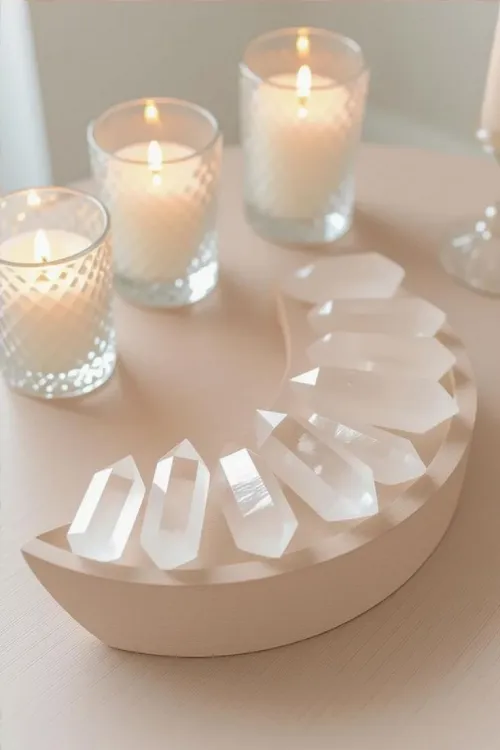
So you bought that captivating clear quartz pendulum or ring, drawn to its brilliant transparency, and now you hesitate near a sunlit window. There's that intuitive pause, that slight tug of uncertainty: Will sunlight steal its magic? Should it stay tucked away like fragile linen? Maybe it's less about fragility and more about understanding an old conversation between stone and star. We sense crystals as partners in clarity, yet sunlight feels... assertive. It's not just preservation anxiety; it's about trusting whether that intuitive caution holds weight or restricts joyful connection. Perhaps your hesitation mirrors those moments we feel both drawn to light and wary of burning—a tension many crystal keepers recognize intimately.
Journey Through the Details
Sunlight Durability for Clear Crystals
Picture leaving your favorite quartz point resting on a sunny desk for years—would it fade like fabric, dissolve like ice, or remain steadfast? That nagging question haunts anyone wanting their crystal bath in golden rays. The answer dwells in earth-born resilience.
The rock-solid stability comes from its primary building block: silicon dioxide, lending inherent toughness against daily light encounters. Think of that clarity as a sturdy windowpane rather than tissue paper. Yet time whispers changes; prolonged ultraviolet exposure, especially in scorching locales, can slowly coax a slight cloudiness or pale tint, like aged glass on a centuries-old chapel. This isn't shattering drama, but patient patina—more memoir than flaw.
Key Factors Influencing Sun Resistance
Why does your friend's quartz pendant thrive outdoors while your worry about garden parties? Resistance weaves together place, companion materials, and even mineral birthrights.
Thermal stress plays tricks—imagine direct sunlight heating quartz unevenly, where one part expands faster than another. On vulnerable stones or in brutal heatwaves, this strain can birth microscopic fractures like fine lace, almost invisible until light hits them just right. Humidity colluding with sun compounds things too; think sea spray mist or muggy deck afternoons amplifying wear. And metal settings in jewelry? They conduct afternoon heat like miniature furnaces, potentially stressing the crystal points they embrace. Nature's quirks matter: Synthetically grown quartz often weathers sunlight more uniformly, while natural cousins might wear their history through unique patterns of response.
Real-World Maintenance and Aging Trends
We expect jewels to stay eternally bright, but crystals share aging poetry—gentle aging handled wisely keeps their song clear. It's ritual as connection.
Think simple kindness: routine baths in lukewarm water with a mild soap erase fingerprints and prevent subtle buildup from handling oils—oils that, mixed with time under sun, might subtly diminish its sparkle. Notice how museum gems glow? Much comes from gentle cleaning routines preserving optical clarity. Wise keepers often offer dusk rest for sun-bathed stones during long summer days. Over decades, collections become living diaries; some specimens develop that characteristic soft yellowing—nature's receipt for light absorbed—yet still channel rainbows brilliantly. Their durability surprises; true love often sees aging not as fading, but deepening.
Daily Rituals Matter
When your quartz enjoys garden days, wipe softly before bedtime. Gentle cleansing invites tomorrow's purity.
The Elegance of Rest
Rotate window companions seasonally; let others bask while quartz chills on softer-lit shelves.
Decades Sing Softly
A 1980s sun-caressed cluster might gently yellow but shimmer fiercely. Wear history proudly—yours and theirs.
Identifying Signs of Damage through Appearance
You squint under lamplight wondering: Is that haze inside new? Suddenly imperfections loom colossal. Understanding quiet signals prevents panic—or misplaced complacency.
Subtle changes whisper before shouting. When checking crystals after sun encounters, watch for gradual yellowing like vintage lace—its gentle spread marks time spent kissing rays. Cloudiness might emerge as a milky film or murky pockets, often concentrated on surfaces facing light. Those microscopic fractures? They become pronounced under light after exposure, scattering illumination like prism fog. Existing inclusions—trapped minerals or bubbles—might morph into bolder silhouettes when sun highlights transformations. How you experience flaws depends greatly on texture, finish, and original transparency. Trust hands over eyes: run fingertips lightly; thermal cracks might whisper rough when vision screams catastrophe.
Cloudiness as Time's Whisper
Not every fog is betrayal; old quartz may soften like blurred edges of cherished memories. Notice shifts over months, not weeks.
The Hairline Crack Story
If sharp light reveals spider-veins, avoid sunlight stress—but know these tiny paths rarely steal the stone's core song.
The "It Just Changes..." Puzzle
Crystals reflect environments dynamically. A stone looking murky indoors might glow soulfully bathed in summer dusk.
Embracing Light's Conversation
There's a quiet knowing when something feels too risky or wonderfully meant. That hesitation near sunlight? Perhaps wisdom's tender nudge. Notice those moments crystals draw your gaze unexpectedly—like sunlight catching facets just so, flooding the room with sudden rainbows. Could it be life reminding you: You too carry facets that shimmer fierce when courage leans towards light? Stones age, change, yet remain. So when intuition urges you to let quartz drink morning rays after winter's shadow, trust that bold 'yes.' And if carefulness whispers 'cover her now,' honor restraint without regret. Every considered moment is the universe conspiring with your heart's wisdom.
Addressing Sunlight Exposure Controversies
Wild claims swirl: "Sun recharges all quartz!" or "One minute fries it!" Such absolutes breed unnecessary fear or reckless carelessness. Let's gently dissolve myths with lived experience.
Online brilliance can mislead; those impossibly vibrant crystals often dazzle under controlled studio lights designed to enhance perceived sparkle. In truth, sunlight affects quartz differently depending on its journey: a piece formed deep underground behaves uniquely compared to its lab-born cousin under solar courtship. And extremes? Though quartz handles ordinary thermal shifts gracefully, intense temperature fluctuations during scorching exposures could stress specimens near fracture points or imperfections. Decades teach us variety; collections prove durability dances uniquely with every stone's origin story. What truly matters lies between alarm and disregard: attentive harmony.
Recharging Myth or Reality?
Sunlight energizing quartz? Scientifically unproven. Subjectively? Joyful ritual matters more than physics. Follow your resonant truth.
"But Mine Looks Different After Sunbathing!"
Subtle variations after sun contact? Common—particularly with heat conduction via metal or existing inclusions shifting visibility.
The Forever-Young Fallacy
Quartz crystals endure far longer than us, yet change is their heritage. Celebrate longevity, not artificial permanence.

![White Crystal: Ultimate Guide to Benefits, Uses & Real vs Fake [2025]](https://www.clearquartzblog.com/cdn/shop/t/151/images/empty_bag.png?v=8.7428)
