
If you’re searching for “why is my clear quartz cloudy,” you’re not alone. This common concern usually stems from four key areas: natural internal features, environmental exposure, physical damage, or improper care. Understanding whether the cloudiness is a unique geological signature or a result of external factors is the first step in proper clear quartz vs milky quartz care. This guide draws on gemological principles to explain the causes, offer practical solutions for cleaning and prevention, and explore the potential cloudy quartz meaning embraced by many crystal enthusiasts.
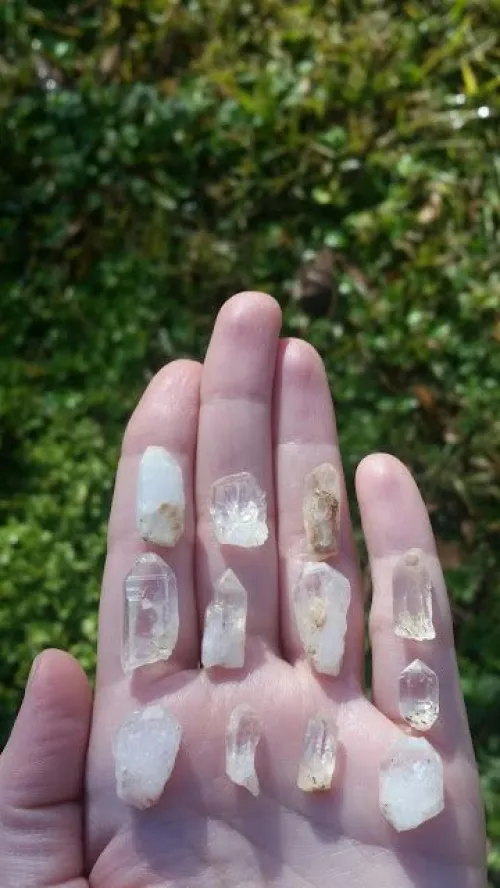
The 4 Main Reasons Why Clear Quartz Turns Cloudy
Cloudiness in quartz isn't a single issue but a symptom with multiple potential origins. The following table breaks down the primary causes, helping you diagnose your specific stone.
| Cause of Cloudiness | Description & Mechanism | Is It Reversible? |
|---|---|---|
| 1. Natural Inclusions | Microscopic minerals (like rutile), gas bubbles, or fluids trapped during the crystal’s formation millions of years ago. These scatter light, creating a milky or hazy appearance. | No. This is an inherent, permanent part of the stone’s identity and geology. |
| 2. Internal Fractures | Tiny cracks (also called “feathers” or “fractures”) formed under geological stress. They refract light, making the stone look cloudy or frosty. | No. Fractures are permanent structural features. |
| 3. Environmental Damage | Prolonged UV exposure can break down the crystal lattice over years. Extreme temperature changes (thermal shock) can also cause new micro-fractures. | Mostly No. Damage is typically permanent, but further harm can be prevented. |
| 4. Surface Contamination | A buildup of skin oils, lotion, dust, or hard water film on the surface. This is the most common cause of a newly dull appearance. | Yes. This is the primary issue addressed when learning how to clean cloudy quartz. |
How to Clean Cloudy Quartz & Prevent Further Clouding
If surface grime is the culprit, you can often restore significant shine. For inherent inclusions or fractures, care focuses on preservation.
Safe Cleaning Instructions
- Gentle Wash: Use lukewarm water, mild dish soap, and a soft toothbrush. Gently scrub the surface, rinse thoroughly, and dry immediately with a microfiber cloth.
- Avoid Harsh Methods: Never use ultrasonic cleaners, steam, bleach, or harsh chemicals. Avoid saltwater soaks, as salt can be abrasive and corrosive to quartz over time.
- For Hard Water Stains: A rinse in diluted white vinegar (1 part vinegar to 4 parts water) for a few minutes can help, followed by a thorough soap-and-water wash.
Essential Prevention Tips
- Sunlight & Heat: Store or display quartz away from direct, prolonged sunlight (e.g., windowsills) and heat sources.
- Separate Storage: Keep quartz in a soft pouch or separate compartment to prevent scratches from harder materials, which can create surface abrasions that look like cloudiness.
- Chemical Awareness: Remove quartz jewelry before applying lotions, perfumes, swimming (chlorine), or cleaning.
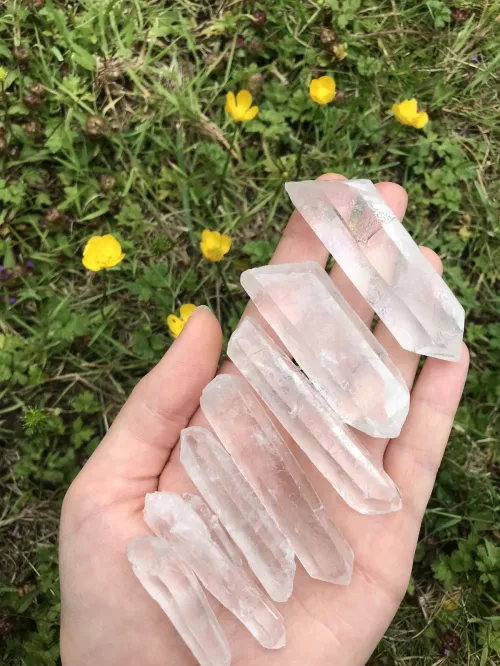
Clear Quartz vs Milky Quartz: Understanding the Difference
It’s helpful to distinguish between types. “Clear quartz” refers to the transparent variety, while “milky quartz” is an opaque, white subtype caused by a high density of microscopic fluid or gas inclusions. Your clear quartz turning cloudy is not the same as natural milky quartz. One is a gemological variety; the other is often a condition change in a previously clearer stone.
Interpreting Cloudiness: Meaning and Quality Assessment
In crystal practices, a cloudy quartz meaning often relates to energy diffusion or the stone “holding” experience. Practitioners may view it as a sign the crystal has absorbed energies and needs cleansing. From a quality perspective, natural, well-distributed inclusions do not indicate a “fake” stone—synthetic quartz is usually flawlessly clear. Asymmetrical, organic clouding patterns typically signal a natural origin, adding unique character.
Frequently Asked Questions
Q: Does cloudiness mean my quartz is broken or fake? A: No. Cloudiness is rarely a sign of a fake (synthetic stones are often too perfect). It usually indicates natural inclusions or environmental wear. It does not mean the stone is structurally unsound for normal use.
Q: Can I permanently remove cloudiness from inside the stone? A: No. Internal inclusions and fractures are permanent features of the crystal. Cleaning only addresses surface film, which can dramatically improve apparent clarity.
Q: Does a cloudy crystal still “work” for energy or meditation? A: In metaphysical traditions, many believe inclusions modify but do not nullify a crystal’s properties. Some traditions hold that cloudy or included stones have unique, gentler vibrations suited for specific purposes.

Conclusion: Embracing Clarity and Character
When asking “why is my clear quartz cloudy?”, the answer blends geology and care. While environmental factors and surface dirt can be managed, the stone’s inherent features tell its ancient story. Whether you choose to gently clean it or appreciate its milky veil as part of its journey, understanding the cause empowers you to provide the best care for your unique crystal companion.

![White Crystal: Ultimate Guide to Benefits, Uses & Real vs Fake [2025]](https://www.clearquartzblog.com/cdn/shop/t/151/images/empty_bag.png?v=8.7428)